Ever feel like your kitchen is a revolving door of gadgets, each promising to simplify your life but often adding more clutter than convenience? Well, get ready to meet the culinary game-changer that can genuinely transform your cooking routine: the Instant Pot. This wasn’t just another kitchen appliance; it was a revolution, promising to bring restaurant-quality meals and family favorites to your table faster and with less fuss. If you’re looking to streamline your cooking, save time, and explore a world of delicious possibilities, understanding your Instant Pot is your first step to kitchen freedom.
What Exactly is an Instant Pot?
At its core, the Instant Pot is a multi-functional electric pressure cooker. But calling it just a “pressure cooker” would be like calling a smartphone just a “phone.” Born from a desire to create a versatile, safe, and convenient cooking tool, the Instant Pot has evolved into an all-in-one powerhouse. It combines the functions of at least seven, and often more, kitchen appliances into a single, sleek unit. Think pressure cooker, slow cooker, rice cooker, steamer, sauté pan, yogurt maker, and food warmer, all rolled into one smart device.
This innovative design means you can brown meats directly in the pot, pressure cook them to tender perfection in minutes, and then even keep them warm until dinner is served. Its ability to handle so many different cooking methods not only saves counter space but also drastically cuts down on dishes, making cleanup a breeze. The Instant Pot has truly redefined efficiency in the modern kitchen, empowering home cooks to achieve culinary feats previously reserved for professional chefs.
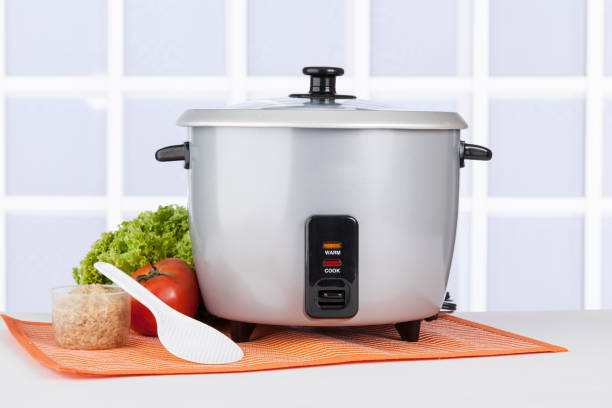
Getting Started: Essential Instant Pot Accessories
When you first unbox your Instant Pot, you’ll find it comes with a few essential accessories to get you started. The stainless steel inner pot, the lid with its crucial sealing ring, and a steam rack are standard. But to truly unlock the full potential of your Instant Pot, a few additional accessories can make a world of difference.
For instance, having a second sealing ring is a lifesaver. You can dedicate one to savory dishes and another to sweet ones, preventing flavor transfers that might turn your cheesecake into a garlicky disaster. A good quality, non-stick inner pot can also be a game-changer for dishes prone to sticking, offering even easier cleanup. Furthermore, a glass lid is fantastic for slow cooking or when using the “Keep Warm” function, allowing you to peek at your food without disrupting the cooking process. These simple additions can elevate your Instant Pot experience, making it even more versatile and enjoyable.
|
Our Picks for the Best Instant Pot in 2026
As an Amazon Associate I earn from qualifying purchases.
|
||
| Num | Product | Action |
|---|---|---|
| 1 | Instant Pot Duo Crisp 11-in-1 Air Fryer and Electric Pressure Cooker Combo with Multicooker Lids that Fries, Steams, Slow Cooks, Dehydrates,Free App With Over 800 Recipes, Black/Stainless Steel, 8QT |

|
| 2 | Our Place Dream Cooker - 6 Qt Ceramic Nonstick Multicooker & Pressure Cooker with Touchscreen Controls & Auto Steam Release - 4 Modes: Pressure Cook, Sauté/Sear, Slow Cook & Warm - Blue Salt |
|
| 3 | Instant Pot, 8-Quart Whisper Quiet 9-in-1 Electric Pressure Cooker, Slow Rice Cooker, Steamer, Sauté, Yogurt Maker, Warmer & Sterilizer, App With Over 800 Recipes, Stainless Steel, Duo Plus |
|
| 4 | Instant Pot Duo Crisp 11-in-1 Air Fryer and Electric Pressure Cooker Combo with Multicooker Lids that Air Fries, Steams, Slow Cooks, Sautés, Dehydrates, & More, Free App With Over 800 Recipes, 6 Quart |
|
| 5 | Our Place Dream Cooker - 6 Qt Ceramic Nonstick Multicooker & Pressure Cooker with Touchscreen Controls & Auto Steam Release - 4 Modes: Pressure Cook, Sauté/Sear, Slow Cook & Warm - Steam |
|
| 6 | Instant Pot Pro 10-in-1 Pressure Cooker, Slow Cooker, Rice/Grain Cooker, Steamer, Sauté, Sous Vide, Yogurt Maker, Sterilizer, and Warmer, Includes App With Over 800 Recipes, Black, 6 Quart |
|
| 7 | Instant Pot Duo 7-in-1 Electric Pressure Cooker, Slow Cooker, Rice Cooker, Steamer, Sauté, Yogurt Maker, Warmer & Sterilizer, Includes App With Over 800 Recipes, Stainless Steel, 8 Quart |
|
| 8 | Instant Pot Pro (8 QT) 10-in-1 Pressure Cooker, Slow Cooker, Rice/Grain Cooker, Steamer, Sauté, Sous Vide, Yogurt Maker, Sterilizer, and Warmer, Includes App With Over 800 Recipes, Black |
|
| 9 | Instant Pot Duo Plus 9-in-1 Multicooker, Pressure Cooker, Slow Cook, Rice Maker, Steamer, Sauté, Yogurt, Warmer & Sterilizer, Includes App With Over 800 Recipes, Stainless Steel, 6 Quarts |
|
| 10 | Our Place Dream Cooker - 6 Qt Ceramic Nonstick Multicooker & Pressure Cooker with Touchscreen Controls & Auto Steam Release - 4 Modes: Pressure Cook, Sauté/Sear, Slow Cook & Warm - Spice |
|
Your First Steps: How to Use Your Instant Pot Safely and Effectively
Diving into Instant Pot cooking might seem daunting at first, but with a few simple guidelines, you’ll be whipping up meals like a pro in no time. The very first thing you should do after unboxing is perform the “water test.” This isn’t just a suggestion; it’s a vital safety check and a fantastic way to familiarize yourself with the Instant Pot’s basic operation. It helps you understand how it pressurizes, how the float valve works, and how to release pressure safely.
Next, get to know your control panel. While models vary, common functions like “Pressure Cook” (often simply “Manual”), “Sauté,” “Slow Cook,” and “Steam” are universally present. “Pressure Cook” is where the magic happens, allowing you to cook food under high pressure, drastically reducing cooking times. The “Sauté” function is perfect for browning ingredients before pressure cooking, building layers of flavor. “Slow Cook” lets your Instant Pot double as a traditional slow cooker, while “Steam” is ideal for vegetables or fish. Always ensure the lid is properly sealed and the steam release handle is in the “Sealing” position when pressure cooking to avoid any mishaps. Understanding these core functions will empower you to tackle any recipe with confidence, turning your Instant Pot into a trusted kitchen companion.
Instant Pot Cooking Hacks and Popular Recipes
Once you’re comfortable with the basics, it’s time to explore the incredible versatility of your Instant Pot. Here are some essential tips to ensure your cooking adventures are always a success:
- Liquid is Key: For pressure cooking, your Instant Pot always needs liquid to create steam and build pressure. Generally, 1 to 1.5 cups of thin liquid (water, broth, juice) is sufficient for most dishes, but always check your recipe.
- Natural Release (NR) vs. Quick Release (QR): NR means allowing the pressure to dissipate naturally over time, which is ideal for foamy foods, grains, or larger cuts of meat, as it helps prevent food from bursting and finishes cooking gently. QR involves manually opening the steam release valve, rapidly releasing pressure, perfect for delicate foods like vegetables or when you’re in a hurry.
- Don’t Overfill: Never fill your Instant Pot more than two-thirds full for most foods, and only half full for foods that expand (like beans, grains, or certain soups), to ensure proper pressure buildup and safe operation.
- Layer Flavors: Use the Sauté function to brown aromatics like onions and garlic or sear meat before pressure cooking. This small step adds immense depth to your final dish.
Pro Tip from Chef Anya Sharma: “The Instant Pot isn’t just about speed; it’s about unlocking deeper flavors. Take the time to sauté your aromatics and proteins before pressure cooking. That initial browning creates a fond at the bottom of the pot that enriches your entire meal, making a noticeable difference in the final taste profile of any Instant Pot dish.”
Here are some popular, beginner-friendly Instant Pot recipes that showcase its capabilities:
- Perfect Hard-Boiled Eggs: 5 minutes on high pressure, followed by a 5-minute natural release, then an ice bath. They peel like a dream!
- Fluffy Rice: A 1:1 ratio of rice to water, 3-5 minutes on high pressure, followed by 10 minutes natural release. Say goodbye to sticky rice.
- Tender Chicken Breast: 8-10 minutes on high pressure with 1 cup of liquid, followed by a 5-minute natural release, yields perfectly shreddable chicken for tacos, salads, or meal prep.
- Homemade Yogurt: Many Instant Pot models have a dedicated “Yogurt” function, making creamy, probiotic-rich yogurt at a fraction of the cost of store-bought.
Beyond Convenience: Health Benefits and Time Savings with Instant Pot Cooking
The Instant Pot isn’t just a time-saving gadget; it’s a powerful tool for healthier living. One of the significant advantages of pressure cooking is its ability to cook food quickly at high temperatures, which can help retain more vitamins and minerals compared to traditional boiling or steaming. This means your vegetables stay crispier, brighter, and more nutritious, while meats remain incredibly tender and flavorful.
For busy individuals and families, the Instant Pot is a game-changer for meal preparation. Imagine coming home after a long day and having a hearty soup or a tender pot roast ready in under an hour, instead of several. This efficiency makes it easier to resist the temptation of unhealthy takeout, promoting more home-cooked, wholesome meals. It allows for effortless batch cooking, making meal prepping for the week ahead a breeze, whether it’s perfectly cooked grains, shredded chicken, or a big batch of chili. The convenience of an Instant Pot directly translates into more time spent with loved ones, and less time slaving over a hot stove, making healthy eating a sustainable and enjoyable lifestyle.
Instant Pot vs. The Rest: A Quick Comparison
In the vast world of kitchen appliances, the Instant Pot often stands out due to its multi-functionality. Let’s compare it to some of its close relatives:
- Instant Pot vs. Traditional Pressure Cooker: While both use pressure to cook food faster, the Instant Pot is electric, fully automated, and packed with safety features that traditional stovetop pressure cookers often lack. It regulates pressure automatically, has multiple cooking presets, and is significantly quieter and safer, eliminating the need to monitor the stovetop constantly. The Instant Pot is much more user-friendly, making pressure cooking accessible to everyone.
- Instant Pot vs. Slow Cooker: Both offer hands-off cooking, but the Instant Pot’s “Slow Cook” function is just one of its many talents. The key difference is speed. A meal that takes 6-8 hours in a slow cooker can often be done in 30-60 minutes (plus pressure build-up and release time) in an Instant Pot. This flexibility means you can choose whether to slow cook all day or whip up a meal rapidly, giving you unparalleled control over your cooking schedule.
Maintaining Your Instant Pot for Longevity
To ensure your Instant Pot continues to perform flawlessly for years, proper cleaning and maintenance are crucial. The stainless steel inner pot is dishwasher safe, making cleanup effortless. The lid, however, requires a bit more attention. Always remove the sealing ring and the anti-block shield (a small metal cap on the underside of the lid) after each use. These can be hand-washed with warm, soapy water or placed in the dishwasher.
The sealing ring, in particular, can absorb food odors over time. A good trick to combat this is to give it a vinegar soak or run it through the dishwasher with a lemon wedge. It’s also wise to air-dry the sealing ring completely before storing the lid, to prevent any moisture buildup. Regularly check the float valve and steam release valve for any food debris, ensuring they are clear and functional. Keeping your Instant Pot clean not only extends its lifespan but also ensures safe and delicious cooking every time.
Frequently Asked Questions About the Instant Pot
Here are some common questions many users have about their Instant Pot:
- Q: Is an Instant Pot a pressure cooker?
A: Yes, the Instant Pot is an electric pressure cooker that also combines several other cooking functions into one device, such as a slow cooker, rice cooker, and steamer. - Q: How much liquid do I need for pressure cooking in an Instant Pot?
A: Generally, you need at least 1 to 1.5 cups of thin liquid (like water or broth) for the Instant Pot to come to pressure. Always refer to your specific recipe for precise liquid requirements. - Q: What’s the difference between Natural Release and Quick Release on an Instant Pot?
A: Natural Release (NR) lets the pressure dissipate on its own over time, which is ideal for foods that expand or benefit from continued gentle cooking. Quick Release (QR) involves manually opening the vent to rapidly release steam, useful for delicate foods or when time is short. - Q: Can I use my Instant Pot as a slow cooker?
A: Absolutely! The Instant Pot has a “Slow Cook” function, allowing it to function as a traditional slow cooker. Just ensure you use a glass lid (sold separately) or leave the pressure lid unsealed for best results. - Q: How do I clean my Instant Pot’s sealing ring?
A: The sealing ring can be hand-washed with warm, soapy water or placed in the dishwasher. For stubborn odors, a vinegar soak or a wash with a lemon wedge can help neutralize them. It’s recommended to have a separate ring for savory and sweet dishes.
Conclusion
The Instant Pot is more than just a kitchen appliance; it’s a lifestyle upgrade. It empowers you to cook faster, eat healthier, and simplify your meal preparation without sacrificing flavor or quality. From weeknight dinners to special occasion feasts, this versatile multi-cooker opens up a world of culinary possibilities, making complex recipes approachable and everyday meals extraordinary. Embrace the convenience, explore the endless recipes, and join the thriving community of Instant Pot users who are transforming their kitchens one delicious meal at a time. It’s time to unlock the full potential of your Instant Pot and truly revolutionize your cooking journey.