In the bustling world of modern kitchens, two titans often stand side-by-side on countertops, promising delicious, effortless meals: the Instant Pot and the beloved Crock-Pot. For many home cooks, navigating the differences and deciding which appliance truly fits their lifestyle can feel like a culinary puzzle. Is the versatile Instant Pot a full replacement for the classic slow cooker, or do they each hold a unique, indispensable place? This comprehensive guide will demystify the “Instant Pot Crock Pot” debate, helping you understand their core functions, compare their strengths, and ultimately make an informed decision that elevates your cooking game.
Understanding the Contenders: What Are We Talking About?
Before we dive into a head-to-head comparison, let’s get acquainted with each kitchen workhorse.
The Classic Crock-Pot: A Legacy of Slow Cooking
The Crock-Pot is a brand name that has become synonymous with slow cookers. These appliances are designed for one primary purpose: cooking food slowly and gently over extended periods at low temperatures. Think of it as a set-it-and-forget-it marvel, ideal for busy days when you want dinner ready upon your return home. Traditional Crock-Pots typically feature a ceramic or stoneware insert, a heating element at the base, and a simple dial for high, low, or warm settings.
Their magic lies in their ability to tenderize tough cuts of meat, meld flavors beautifully in stews and soups, and create comforting dishes with minimal supervision. The low, consistent heat ensures that flavors deepen over several hours, resulting in rich, savory meals that often taste even better the next day.
The Versatile Instant Pot: More Than Just a Pressure Cooker
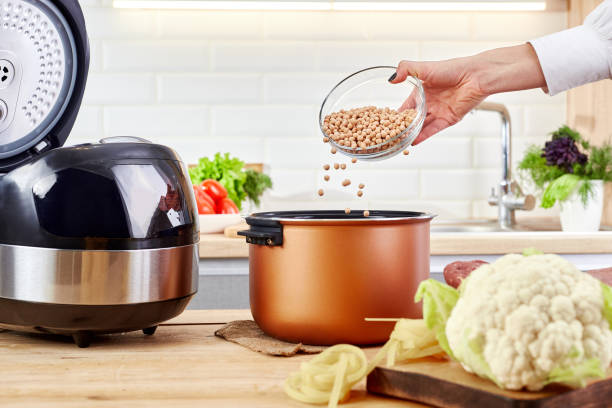
The Instant Pot, on the other hand, is a brand of multi-cooker that burst onto the scene with a promise of speed and versatility. While its claim to fame is pressure cooking, which drastically reduces cooking times, it’s far from a one-trick pony. Modern Instant Pots typically combine seven, nine, or even more kitchen appliances into one sleek unit, including:
- Pressure Cooker
- Slow Cooker
- Rice Cooker
- Steamer
- Sauté Pan
- Yogurt Maker
- Food Warmer
Many models also offer specialized programs for eggs, cakes, sterilizing, and sous vide. The Instant Pot’s inner pot is usually made of stainless steel, and its digital interface offers a wide array of programmable settings. This appliance is lauded for its ability to whip up complex meals in a fraction of the traditional time, making it a favorite for weeknight dinners and last-minute culinary adventures.
The Blurring Lines: Modern Evolutions
It’s important to note that the lines between these two categories have become increasingly blurred. While “Crock-Pot” traditionally referred to a slow cooker, the brand itself now produces multi-cookers like the Crock-Pot Express, which incorporate pressure cooking and other functions, much like an Instant Pot. Conversely, Instant Pot models have continuously refined their slow cooking capabilities, offering “Low” and “High” temperature settings that aim to replicate the experience of a dedicated slow cooker. So, when comparing, it’s crucial to consider whether you’re looking at a traditional slow cooker or a multi-cooker from either brand.
Instant Pot vs. Crock-Pot: A Head-to-Head Comparison
Let’s break down the key differences and similarities to help you weigh your options.
Speed: The Race Against Time
This is arguably the most significant differentiator.
- Instant Pot: Excels in speed, primarily thanks to its pressure cooking function. A dish that would take 6-8 hours in a slow cooker, like a pot roast or tough beans, can be ready in 60 minutes or less. This makes it a lifesaver for busy individuals or when you forget to defrost dinner.
- Crock-Pot: Embraces the slow lane. Meals cook over several hours, requiring advance planning. This extended cooking time is not a drawback for those who enjoy the “set-it-and-forget-it” convenience, allowing flavors to develop gradually while you go about your day.
Versatility: One Pot, Many Meals
- Instant Pot: The undisputed champion of versatility. With its multiple functions – from sautéing directly in the pot to steaming vegetables and even making homemade yogurt – it can significantly reduce clutter on your kitchen counter by combining several appliances into one.
- Crock-Pot: A traditional slow cooker is primarily a single-function appliance. While specialized slow cookers might have a “keep warm” setting, their core function remains consistent, making them less versatile but incredibly focused on their specialty.
Flavor Development: Depth and Richness
Both appliances are celebrated for their ability to create deeply flavored dishes, albeit through different mechanisms.
- Crock-Pot: The prolonged, gentle simmering allows ingredients to truly meld and flavors to deepen over time. This slow infusion is perfect for robust stews, chilis, and braised meats, creating a “low and slow” flavor profile that many adore.
- Instant Pot: Pressure cooking forces flavors into the food rapidly. Additionally, the Instant Pot’s sauté function allows you to brown meats and caramelize aromatics directly in the pot before pressure cooking or slow cooking. This crucial step builds a foundational layer of flavor, often resulting in richer, more complex dishes that rival slow-cooked ones in a fraction of the time.
Ease of Use & Learning Curve
- Crock-Pot: Simplicity is its strength. With just a few settings (often Low, High, Warm), it’s incredibly straightforward to operate, making it approachable for even the most novice cooks.
- Instant Pot: While incredibly powerful, the Instant Pot can have a steeper learning curve initially due to its array of buttons, functions, and safety features related to pressure cooking. However, the abundance of online tutorials, recipes, and a thriving community makes the adjustment period manageable for anyone willing to learn.
Cost & Value
- Crock-Pot: Generally more budget-friendly. Basic slow cookers can be found for as little as $30-$50, making them an accessible option for many households.
- Instant Pot: Typically commands a higher price point, starting around $60-$100 for basic models and going up for more advanced versions. However, considering it replaces multiple appliances, many users find the long-term value and space-saving benefits justify the initial investment. As Chef Elena Rodriguez, a renowned culinary consultant, often says, “An Instant Pot might seem like a bigger upfront cost, but its sheer versatility often means it pays for itself by reducing the need for other single-function gadgets and encouraging more home cooking.”
Cooking Results & Texture
The debate over which appliance yields superior texture is lively among home cooks.
- Crock-Pot: Many aficionados argue that the long, gentle heat of a slow cooker produces uniquely tender meats and vegetables, with a consistent, melt-in-your-mouth texture that’s hard to beat. Its often oval shape can also be advantageous for larger cuts like roasts.
- Instant Pot: Its slow cooker function has evolved significantly. Modern Instant Pots offer “Low” and “High” settings similar to a traditional slow cooker, and expert tests have shown they can perform just as well. However, some users still feel the stainless steel pot, compared to stoneware, can sometimes affect heat distribution slightly differently for very long slow-cooking tasks. For pressure cooking, it excels at making foods incredibly tender quickly, breaking down fibers with high efficiency.
Pot Material & Shape
- Crock-Pot: Typically features a heavy ceramic or stoneware insert. These materials retain heat exceptionally well, contributing to consistent, even cooking. The oval shape of many Crock-Pots is ideal for accommodating larger roasts or whole chickens.
- Instant Pot: Comes with a stainless steel inner pot. This material is excellent for sautéing and browning directly in the pot, which is a major convenience. While durable and easy to clean, some delicate ingredients like rice might occasionally stick, though non-stick ceramic inserts are available as accessories. Most Instant Pots are round.
When to Choose Which: Tailoring to Your Lifestyle
The “instant pot crock pot” decision ultimately comes down to your cooking habits, priorities, and kitchen space.
Choose a Traditional Crock-Pot If…
- You cherish classic, slow-cooked flavors: Nothing quite replicates the deep, comforting taste achieved by hours of simmering.
- You prefer ultimate simplicity: With minimal buttons and straightforward operation, it’s incredibly user-friendly.
- You have a predictable schedule: You love the convenience of prepping in the morning and coming home to a ready-to-eat meal.
- You’re budget-conscious: It’s generally a more affordable appliance.
- You have ample kitchen space: A dedicated slow cooker won’t try to be everything, fitting neatly into its niche.
Choose an Instant Pot If…
- Speed is your priority: You need to get dinner on the table fast, especially on busy weeknights or for last-minute meals.
- You crave versatility and multi-functionality: You want one appliance that can pressure cook, slow cook, sauté, steam, make yogurt, and more, decluttering your kitchen.
- You enjoy experimenting: Its numerous settings and digital controls invite culinary exploration.
- You want to brown ingredients in the same pot: The sauté function is a game-changer for building flavor without extra pans.
- You often forget to defrost: Pressure cooking can handle frozen ingredients with remarkable efficiency.
Why Not Both?
Many seasoned home cooks find value in owning both. A traditional Crock-Pot can handle long, gentle simmers for specific recipes, while the Instant Pot takes care of speedy pressure cooking and other multi-cooker tasks. This combination offers maximum flexibility, ensuring you have the perfect tool for every culinary occasion.
Optimizing Your Instant Pot Slow Cooker Experience
If you’ve opted for an Instant Pot and want to leverage its slow cooker function, here are some tips:
- Use the Right Settings: Instant Pots typically have “Slow Cook” settings with options like “Less,” “Normal,” and “More,” corresponding to low, medium, and high temperatures on a traditional slow cooker. “Normal” often mimics a traditional low setting, while “More” is closer to a high setting.
- Consider a Glass Lid: While the pressure cooking lid works, a dedicated glass lid (often sold separately) allows you to peek at your food without disrupting the cooking process, just like with a traditional slow cooker.
- Sauté First for Flavor: Always use the sauté function to brown meats and vegetables before starting the slow cook cycle. This step significantly enhances the depth of flavor.
- Adjust Liquids: Slow cooking in a sealed environment like an Instant Pot might require slightly less liquid than an open-lid slow cooker recipe.
Popular Recipes for Both Appliances
Both the instant pot crock pot excel at comfort foods. Think rich beef stews, hearty chilis, tender pulled pork, fall-off-the-bone pot roasts, and creamy mac and cheese. Many recipes are easily adaptable between the two, with the Instant Pot offering a quicker alternative for classic slow-cooked dishes.
Expert Insight: A Chef’s Perspective
“The debate between the Instant Pot and the Crock-Pot isn’t about one being inherently ‘better’ than the other,” explains Chef Elena Rodriguez, a renowned culinary consultant specializing in smart kitchen appliances. “It’s about understanding your personal cooking rhythm. If you consistently find yourself short on time but still want homemade, flavorful meals, the Instant Pot is an incredible asset. Its ability to pressure cook, sauté, and slow cook all in one unit is transformative. However, for those specific recipes where you truly want that ‘all-day simmer’ flavor development and the simple reliability of setting it and forgetting it, a dedicated Crock-Pot still holds its own. The best kitchen is one equipped with tools that empower your unique cooking style.”
Frequently Asked Questions
Can an Instant Pot truly replace a traditional Crock-Pot?
Yes, an Instant Pot has a slow cook function and can effectively replace a traditional Crock-Pot for many recipes. However, some traditional slow cooker enthusiasts feel the unique heating and stoneware of a dedicated Crock-Pot can still offer a subtle difference in texture for certain dishes.
Is slow cooking in an Instant Pot as good as a dedicated slow cooker?
Modern Instant Pot models have significantly improved their slow cooking capabilities, offering “Low” and “High” temperature settings that are comparable to traditional slow cookers. For most home cooks, the difference is negligible, especially if you utilize the sauté function for browning before slow cooking.
Which is better for cooking tough cuts of meat?
Both are excellent for tenderizing tough cuts of meat. An Instant Pot can achieve this much faster through pressure cooking, while a Crock-Pot achieves it through extended, low-heat cooking. The choice depends on whether speed or traditional long-simmered flavor is your priority.
What are the main safety differences?
Traditional slow cookers are very simple to operate with minimal safety concerns beyond basic electrical appliance care. Instant Pots, being pressure cookers, have multiple built-in safety mechanisms to prevent over-pressurization and ensure safe operation, though users need to learn proper lid sealing and pressure release techniques.
Are there specific recipes better suited for one over the other?
Recipes that benefit from browning and then quick tenderizing (like pot roasts or stews) are excellent in an Instant Pot. Recipes that truly benefit from hours of gentle simmering where you might want to occasionally stir or add ingredients without disrupting pressure (like some soups or baked goods adapted for slow cooking) might lean towards a traditional Crock-Pot or the Instant Pot’s slow cook function with a glass lid.
Conclusion
Whether you’re drawn to the lightning-fast convenience of the Instant Pot or the comforting, slow-simmered perfection of a Crock-Pot, both appliances promise to simplify your kitchen life and elevate your home-cooked meals. The “instant pot crock pot” decision boils down to balancing speed, versatility, and your personal cooking preferences. Embrace the journey of discovery, experiment with new recipes, and find the perfect kitchen companion – or perhaps both – that inspires you to create delicious, effortless food for yourself and your loved ones. Happy cooking!