The Instant Pot has revolutionized kitchens worldwide, celebrated for its incredible versatility. While many associate it primarily with lightning-fast pressure cooking, its often-underestimated slow cook function offers a world of culinary possibilities, bringing tender, flavorful meals to your table with minimal effort. If you’ve been wondering how to truly harness the “instant pot slow cooker” capabilities, you’re in the right place. This guide will delve deep into making the most of this fantastic feature, ensuring your Instant Pot becomes your go-to for both speedy weeknight dinners and slow-simmered weekend feasts.
|
Our Picks for the Best Instant Pot in 2026
As an Amazon Associate I earn from qualifying purchases.
|
||
| Num | Product | Action |
|---|---|---|
| 1 | Instant Pot, 8-Quart Whisper Quiet 9-in-1 Electric Pressure Cooker, Slow Rice Cooker, Steamer, Sauté, Yogurt Maker, Warmer & Sterilizer, App With Over 800 Recipes, Stainless Steel, Duo Plus |

|
| 2 | Instant Pot Pro 10-in-1 Pressure Cooker, Slow Cooker, Rice/Grain Cooker, Steamer, Sauté, Sous Vide, Yogurt Maker, Sterilizer, and Warmer, Includes App With Over 800 Recipes, Black, 6 Quart |
|
| 3 | Instant Pot Duo 7-in-1 Electric Pressure Cooker, Slow Cooker, Rice Cooker, Steamer, Sauté, Yogurt Maker, Warmer & Sterilizer, Includes App With Over 800 Recipes, Stainless Steel, 8 Quart |
|
| 4 | Our Place Dream Cooker - 6 Qt Ceramic Nonstick Multicooker & Pressure Cooker with Touchscreen Controls & Auto Steam Release - 4 Modes: Pressure Cook, Sauté/Sear, Slow Cook & Warm - Steam |
|
| 5 | Instant Pot Pro (8 QT) 10-in-1 Pressure Cooker, Slow Cooker, Rice/Grain Cooker, Steamer, Sauté, Sous Vide, Yogurt Maker, Sterilizer, and Warmer, Includes App With Over 800 Recipes, Black |
|
| 6 | Our Place Dream Cooker - 6 Qt Ceramic Nonstick Multicooker & Pressure Cooker with Touchscreen Controls & Auto Steam Release - 4 Modes: Pressure Cook, Sauté/Sear, Slow Cook & Warm - Spice |
|
| 7 | Instant Pot Duo Plus 9-in-1 Multicooker, Pressure Cooker, Slow Cook, Rice Maker, Steamer, Sauté, Yogurt, Warmer & Sterilizer, Includes App With Over 800 Recipes, Stainless Steel, 6 Quarts |
|
| 8 | Instant Pot Duo Crisp 11-in-1 Air Fryer and Electric Pressure Cooker Combo with Multicooker Lids that Fries, Steams, Slow Cooks, Dehydrates,Free App With Over 800 Recipes, Black/Stainless Steel, 8QT |
|
| 9 | Our Place Dream Cooker - 6 Qt Ceramic Nonstick Multicooker & Pressure Cooker with Touchscreen Controls & Auto Steam Release - 4 Modes: Pressure Cook, Sauté/Sear, Slow Cook & Warm - Blue Salt |
|
| 10 | Instant Pot Duo Crisp 11-in-1 Air Fryer and Electric Pressure Cooker Combo with Multicooker Lids that Air Fries, Steams, Slow Cooks, Sautés, Dehydrates, & More, Free App With Over 800 Recipes, 6 Quart |
|
Understanding Your Instant Pot’s Slow Cook Function
At its heart, the Instant Pot is a multi-cooker, and its slow cook setting is a prime example of its adaptability. Unlike traditional slow cookers that often have just “low” and “high” settings, the Instant Pot offers a nuanced approach. When you select the “Slow Cook” button, you’ll typically find options for “Less,” “Normal,” and “More,” which correspond to low, medium, and high heat settings respectively.
The “Less” setting is ideal for delicate dishes or when you need a very long, gentle simmer. “Normal” aligns with a typical slow cooker’s low setting, perfect for most recipes. “More” provides higher heat, comparable to a traditional slow cooker’s high setting, and is excellent for meals that need to cook faster or when you’re starting with cold ingredients. Understanding these subtle differences is key to successful slow cooking with your Instant Pot, allowing you to tailor the heat precisely to your recipe and schedule.
It’s important to differentiate this from pressure cooking. While both deliver tender results, slow cooking uses lower, sustained heat over several hours, allowing flavors to meld gradually and textures to break down gently. Pressure cooking, conversely, uses high pressure to dramatically reduce cooking times. Each method has its unique benefits, and knowing when to choose the “instant pot slow cooker” function means you’re unlocking its full potential.
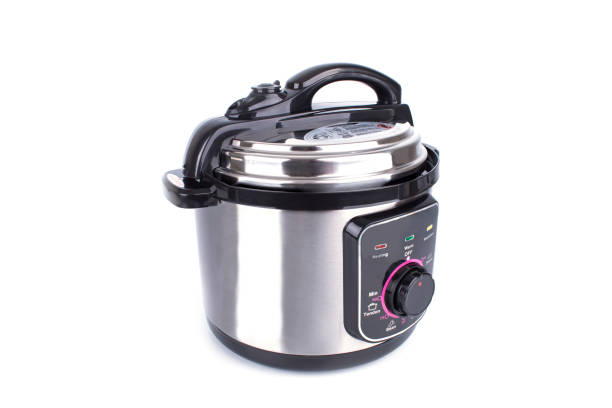
Instant Pot vs. Traditional Slow Cooker: A Head-to-Head
For many home cooks, the question arises: is the Instant Pot’s slow cook function as good as a dedicated slow cooker? The answer, like many things in cooking, is nuanced.
One of the primary differences lies in the heating element. Traditional slow cookers typically heat from the sides and bottom, providing a consistent, all-around gentle warmth. The Instant Pot, being a pressure cooker first, primarily heats from the bottom. This can mean that food directly touching the bottom might cook a bit faster, or that you might need a little more liquid to prevent scorching. However, newer Instant Pot models have improved their heating distribution, making the slow cook function more comparable.
Pros of the Instant Pot Slow Cooker:
- Space-Saving: It’s one less appliance on your counter or in your cupboard.
- Sauté Function: You can brown meats and sauté aromatics directly in the Instant Pot before slow cooking, building layers of flavor without needing an extra pan. This is a game-changer for many recipes.
- Keep Warm Function: Automatically switches to “Keep Warm” once cooking is complete, perfect for busy schedules.
- Sealed Environment: While you typically vent the lid for slow cooking, the sealed nature of the pot can help retain moisture.
Cons of the Instant Pot Slow Cooker:
- Temperature Control: Some users find that the “Low” setting on an Instant Pot can sometimes be warmer than a traditional slow cooker’s “Low,” potentially cooking food faster. Experimentation with your specific model is advised.
- Lid: The Instant Pot’s heavy, sealing lid isn’t ideal for slow cooking as it traps too much moisture. Many opt for an Instant Pot specific glass lid or even a regular pot lid to allow some steam to escape.
- Shape: Most Instant Pots are taller and narrower than many traditional oval slow cookers, which can be less ideal for larger cuts of meat like a whole chicken or brisket.
Ultimately, the Instant Pot excels as a multi-functional device. If you primarily slow cook, a dedicated slow cooker might offer a slight edge in even heating and lid design. However, for most home cooks, the convenience and versatility of the “instant pot slow cooker” make it a truly excellent alternative, often surpassing expectations once you understand its quirks.
Getting Started: Essential Tips for Slow Cooking in Your Instant Pot
Embarking on your Instant Pot slow cooking journey is exciting! Here are some crucial tips to ensure delicious results every time:
- Use the Right Lid: When slow cooking, you do not want a sealed environment. Use the official Instant Pot glass lid, or if you don’t have one, simply place your Instant Pot’s pressure lid on top, but make sure the steam release handle is set to “Venting” (or remove it entirely if your model allows). This allows steam to escape, preventing your food from becoming watery.
- Adjust Liquid Levels: Because the Instant Pot’s heavy lid (even vented) can retain more moisture than a traditional slow cooker lid, you might need to slightly reduce the amount of liquid specified in a traditional slow cooker recipe. Start by reducing by about 1/4 to 1/2 cup and adjust in future cooks.
- Browning is Your Friend: The sauté function is one of the biggest advantages of the Instant Pot. Take a few minutes to brown your meat and sauté onions, garlic, and other aromatics before starting the slow cook cycle. This adds incredible depth of flavor that you can’t achieve by simply dumping ingredients into a pot.
- Consider an Instant Pot Liner/Trivet: For certain delicate dishes or to prevent anything from potentially sticking to the bottom, a trivet can be useful to elevate ingredients slightly. While less critical for slow cooking than pressure cooking, it’s an option.
- Experiment with Settings: As mentioned, “Less,” “Normal,” and “More” offer different heat levels. If a recipe calls for 8 hours on “Low” in a traditional slow cooker, try “Normal” for 6-7 hours in your Instant Pot. If it calls for 4 hours on “High,” try “More” for 3-4 hours. Every Instant Pot model can vary slightly, so a little experimentation will help you get to know your specific appliance.
Delicious Instant Pot Slow Cooker Recipes to Try
The Instant Pot slow cooker is perfect for a wide array of comforting, flavorful dishes. Here are some classic and popular recipes that shine using this function:
- Hearty Pulled Pork or Chicken: Perfect for sandwiches, tacos, or salads. Sear your pork shoulder or chicken thighs on Sauté, then add your favorite BBQ sauce, a splash of apple cider vinegar, and onions. Slow cook on “Normal” for 6-8 hours or “More” for 3-4 hours until it shreds easily.
- Classic Beef Stew: Brown stew meat, then combine with diced potatoes, carrots, celery, onions, beef broth, and a touch of tomato paste. Season well and slow cook on “Normal” for 7-9 hours for incredibly tender beef and vegetables.
- Chili: A crowd-pleaser that benefits from a long, slow simmer. Brown ground beef or turkey, then add beans, tomatoes, chili powder, cumin, and other spices. Slow cook on “Normal” for 6-8 hours, allowing the flavors to deepen beautifully.
- Flavorful Soups: From chicken noodle to vegetable, soups develop rich broths and tender ingredients when slow cooked. Sauté your aromatics, add broth and vegetables, and slow cook on “Normal” for 4-6 hours.
- Overnight Oatmeal: A game-changer for busy mornings. Combine rolled oats, milk (dairy or non-dairy), a pinch of salt, and any desired spices (cinnamon, nutmeg). Slow cook on “Less” for 6-8 hours overnight, and wake up to warm, creamy oatmeal. Add fruit, nuts, or sweeteners after cooking.
Beyond the Basics: Advanced Tips and Troubleshooting
Once you’re comfortable with the basics, you can elevate your Instant Pot slow cooking even further.
- Recipe Conversion: When converting traditional slow cooker recipes, remember the liquid adjustment. Also, consider that some delicate herbs and spices (like fresh basil or cilantro) are best added at the very end of the slow cooking cycle to preserve their freshness and flavor.
- Thickening Agents: If your slow-cooked dish is too watery, you can easily thicken it at the end. Remove some liquid, whisk in a cornstarch slurry (equal parts cornstarch and cold water), then add it back to the Instant Pot and use the Sauté function (on “Less”) for a few minutes, stirring constantly until it thickens.
- Using the Keep Warm Function: The Instant Pot automatically switches to “Keep Warm” once the slow cook cycle is complete. This is incredibly convenient for families with varied dinner times or for potlucks. However, avoid keeping food on “Warm” for excessively long periods (more than 2-3 hours) for best quality and food safety.
- Avoiding “Burn” Errors (Rare in Slow Cook Mode): While “Burn” errors are more common during pressure cooking, they can theoretically occur if you have very thick sauces or ingredients directly on the bottom with insufficient liquid. Browning first and ensuring adequate liquid usually prevents this. If you are making a very thick sauce, stir it periodically if safe to do so.
The Health Benefits and Time-Saving Power of Instant Pot Slow Cooking
Beyond convenience, the “instant pot slow cooker” brings several health and lifestyle advantages to the table.
- Nutrient Retention: Slow cooking, with its gentle heat, can help preserve more nutrients in your food compared to higher-heat methods. Vegetables maintain their structure better, and meats become incredibly tender without drying out.
- Convenience and Meal Prep: Imagine coming home to a fully cooked, delicious meal. That’s the power of slow cooking. It allows for hands-off cooking, freeing up your time for other activities. It’s also fantastic for meal prepping large batches of food for the week, making healthy eating easier.
- Tender, Flavorful Results: The extended cooking time allows flavors to deeply meld, creating dishes that taste like they’ve been simmering all day (because they have!). Tougher cuts of meat, which are often more economical, become fall-apart tender and incredibly flavorful, making healthy protein sources more accessible and enjoyable.
- Control Over Ingredients: When you cook at home, you control exactly what goes into your food, avoiding excessive sodium, unhealthy fats, and artificial additives often found in takeout or pre-made meals.
Comparison with Other Cooking Devices
How does the Instant Pot’s slow cook function stack up against other kitchen workhorses?
- Oven Braising: While an oven can achieve similar slow-cooked results through braising, it ties up your oven for hours and typically requires more energy. The Instant Pot uses less energy and keeps the heat contained.
- Stovetop Simmering: Slow cooking on the stovetop requires constant monitoring to prevent burning and often needs a wider pot. The Instant Pot offers a set-it-and-forget-it approach.
- Microwave: No comparison here. Microwaves reheat or cook very quickly, but cannot achieve the slow, tender, flavor-developing results of an Instant Pot slow cooker.
For ultimate convenience, efficiency, and delicious outcomes, the “instant pot slow cooker” stands out as a superior choice for many home cooks looking to embrace the art of low-and-slow cooking.
Expert Insights: What the Pros Say About Instant Pot Slow Cooking
“Many people overlook the incredible potential of the Instant Pot as a slow cooker,” says Chef Anya Sharma, a culinary instructor and recipe developer. “I’ve found that with a few simple adjustments, like using a glass lid and browning ingredients first, you can achieve results that rival, if not surpass, those from a dedicated slow cooker. It’s all about understanding the nuances of your appliance and leveraging its multi-functionality to your advantage.” Her advice underscores the idea that embracing the Instant Pot’s versatility can truly transform your cooking experience.
Conclusion
The Instant Pot is so much more than a pressure cooker; its slow cook function is a powerful tool that deserves a prominent place in your culinary repertoire. By understanding its settings, making a few simple adjustments, and experimenting with recipes, you’ll unlock a world of tender, flavorful, and convenient meals. From hearty stews to comforting pulled meats, the “instant pot slow cooker” empowers you to create dishes that nourish your body and soul, all with minimal effort. So, dust off that Instant Pot, explore its slow cook capabilities, and join the community of home cooks discovering the joy and ease of hands-off cooking. Your taste buds (and your schedule) will thank you!